Category Archives: Web Article Review

Progressive policies are popular, goddamnit!

You see this in the media fairly often, and it is occasionally brought up by (losing) courageous politicians like Bernie Sanders and Elizabeth Warren. Large majorities of voters support benefits programs, particularly Medicare and Social Security. These politicians can’t get elected though because of the anti-tax narrative that is convenient for the wealthy and powerful interests that buy and own our successful politicians. So around and around we go.

Sensible policies are obvious. Incrementally lower eligibility ages, or at least allow younger citizens to opt in at cost. The latter would be win-win for everyone except the finance and insurance industries.

Political strategies are less obvious, and nothing that has been tried has worked lately. Politicians need to reach the same working class and professional crowd that is susceptible to the anti-tax message. A somewhat disingenuous approach would be to exaggerate the reach of those who are actually trying to dismantle the popular programs. Use their words against them, even out of context,and make their political and private associates guilty by association. Give the race and gender rhetoric a rest, because it is dividing the majority of voters you need to support sensible policies that are going to benefit disadvantaged groups the most. It’s a dirty game, but it’s a game the other side is going to play like it or not. Expand the benefits first, let people see and understand what they are getting for their taxes, and the benefits will be hard for future politicians to take away.

metformin and longevity

This article says billionaires are “racing” to invest in longevity treatments. Top candidates attracting funding include various gene therapies, drugs, stem cells, and old people consuming the blood of children (seriously, this is real but presumably the children are fine). This article argues a known drug called metformin deserves more attention.

effective altruism and existential risk

In my recent “effective altruism” post, I promised to follow up on the idea of existential risk. Basically, there is a debate, bogus in my opinion, between whether an altruist should try to reduce suffering today or make sure humanity has a long term future. The argument goes that the 8 billion or so human souls alive now are only a tiny fraction of the potential trillions that could ultimately exist, so making sure we don’t wipe ourselves out should be top priority. I call this bogus because we have the intelligence, ingenuity, and energy to work on all these problems. Just divide and conquer as they say.

Anyway, here is another existential risk article. Nuclear weapons have been and probably still are the largest existential threat. But biological weapons and mishaps may now or soon will present an equal or greater threat (which doesn’t make nuclear weapons better, it doubles the threat). Artificial intelligence is an unknown unknown, potentially catastrophic medium term threat, and opinions vary from years to decades to never. Nanotechnology is a theoretical long-term threat.

My take is that we need to get on top of the biological threat fast with some kind of treaty and inspection regime we can all live with. In the US, we need a damn health care system. And at least get the nuclear threat back to where it was. Courageous political leadership could make these a priority.

effective altruism

Here’s a very long article on “effective altruism”. The idea of benchmarking charities based on how much they spend to achieve their stated objectives makes sense to me. However, some objectives are harder to quantify than others and it doesn’t make sense to assume everyone has the same values, or that they should prioritize objectives that are easiest to quantify.

I can see another use for these types of benchmarks. If you are running a charity trying to achieve a particular objective, you can compare your cost-effectiveness to the best charities in your class. If you can’t at least approach their level of performance, you might be better off just donating your money or effort to them rather than running your own charity.

The article morphs into another article talking about existential risk. I’ll talk about that another time.

Kissinger – yes, still alive

Kissinger. The Wall Street Journal had an article in which Henry Kissinger made some attention-getting statements about the insanity of current nuclear risk taking. Kissinger is apparently 99 so we may not have the arguable  benefits of his instincts much longer. (Although, I suspect he has whatever cyborg implants are keeping Dick Cheney alive.)

Basically, I see Kissinger as an immoral calculated risk taker. He has the blood of millions of human beings in Southeast Asia and South Asia on his hands because he believed the potential benefits to the United States was worth the risk and ultimately suffering and death that resulted. The immoral part was putting next to no value on those lives, in my view. There was a rational calculation involved, at least in his mind.

Assuming he has not become a more moral person with age, and assuming he is still rational, what he is saying is that the risks we are taking now are not worth it and are therefore not rational.

I don’t believe the ends justified the means even in Kissinger’s time, but one thing this highlights is the loss of any significant peace movement in our society and politics. It is rational to work towards peace and stability in the world. This has benefits to our country and to everyone else. Then add the moral layer for those who think morally and it seems like something we should all be able to agree on. Only the irrational AND immoral should support these policies. I consider myself a realist about human nature, but I still believe this is a relatively small minority. Everyone else is being manipulated, marginalized, or drowned out.

The rare earth rush

Rare earths. They’re in all our electronics and mining them has been called the new “gold rush”. They’ve also been called the new conflict minerals, as in peasants are brutally massacred and driven off their land for them, and mining them irresponsibly is an environmental nightmare. Way too nightmarish for China, apparently, but not for Myanmar. And what is mined brutally and irresponsibly in Myanmar can be passed through companies in China and along to major household name electronics manufacturers who do not ask too many questions.

Ramping up recycling would seem to be an obvious answer. These minerals are valuable, and extracting them from existing products where they are already concentrated should be a no-brainer. There should be viable business models to get this done. And if that is not easy enough, recycling should be considered from the very beginning of the design and manufacturing process. If amoral companies aren’t interested, you can regulate them or tax them, at international borders and by international agreement. Easy peasy right?

Iran has “technical capacity” to build a bomb

This article in Intercept says Iran has achieved its goal of being able to build a bomb. The U.S. has the “technical capacity” to invade and occupy Iran, but that is not going to happen. Prominent Israelis including Ehud Barak say that “Iran’s uranium enrichment program had now advanced to a point where it could be no longer be set back with military strikes or sabotage.”

The article blames Biden. I do think Biden should have tried harder to make a return to the Obama-era Iran nuclear deal happen, but the blame for pulling out of the deal falls squarely on Trump. For all the stupid things Trump said and did, taking the world backwards on nuclear proliferation and climate change are the two that I find unforgivable because these are the two biggest existential threats to our planetary civilization. But even going a step beyond Trump, if the U.S. Congress and executive branch both stood firmly behind international agreements on these issues, the world would be able to trust us more to keep our word instead of flip-flopping with each new administration.

So now Israel, Pakistan, and India are confirmed nuclear states, and Saudi Arabia and Iran can quickly become nuclear states if a conflict arises. Farther north, China and North Korea is a confirmed nuclear state, and Japan and Taiwan supposedly have the ability to quickly convert civilian nuclear plants to weapons production. I haven’t heard anything about a renewed nuclear weapons push in South Korea, but it seems quite plausible that they might if they do not think the U.S. “nuclear umbrella” is reliable. And then we have the thinly veiled proxy war between nuclear-armed-to-the-teeth NATO and Russia in eastern Europe. We live in a dangerous world.

Taiwan and nuclear weapons

According to The Strategist, Taiwan had an overt nuclear weapons program until 1976 and a covert one into the 1980s. It has nuclear reactors similar to the ones in Japan that can be converted to produce weapons-grade plutonium in short order if that decision is made.

Weak security guarantees from the United States, coupled with escalating aggression from China, may soon present Biden [this article is from December 2020] with a Taiwan that believes its only option for survival is to take a page from the Israeli playbook and restart a covert nuclear weapons program. When Taiwan went down that path between 1967 and the late 1980s, the government in Taipei ultimately backed away from nuclear weapons because it appeared China was liberalising and heading toward democratisation…

According to China expert Michael Pillsbury, author of The hundred-year marathonthe Chinese Communist Party intends to integrate Hong Kong and Taiwan back into China in time to achieve ‘Middle Kingdom’ status by 2049—the centennial of the CCP’s victory over the Guomindang in the Chinese civil war…

Taiwan already has two operational nuclear power plants on opposite ends of the island that could produce plutonium. It could use a ‘Japan option’ of enriching its radioactive materials for weaponisation in a short timeframe.

The Strategist

I think we take it for granted that nuclear proliferation is driven by a few rogue states. But this does not appear to be the case. The world appears to be on the verge of getting much more dangerous. Every country with nuclear weapons increases the odds (depressingly, the certainty, given enough time) of a nuclear detonation somewhere, sometime.

The Cuban Missile Crisis would seem to offer a cautionary tale. Put some nuclear missiles on an island near an aggressive nuclear superpower, and bad things can happen. We give our (U.S.) democratically elected leader at the time for avoiding catastrophe by acting tough and making the authoritarian leader “blink”. How much of that was luck, and how long until our world’s luck runs out if we keep taking risks like that? Another cautionary tale would be China’s invasion of Korea in the 1950s. They did not have nuclear weapons at the time, the U.S. not only had them but had recently used them, and China did not “blink”.

raccoon dogs, and mouth watering donkey balls

I was reading about raccoon dogs in the context of wildlife farming and zoonotic diseases in China. Heavy stuff. On the lighter side, they are cute little guys and popular in Japanese folklore such as Super Mario Brothers. Raccoon dogs are more like dogs than raccoons. (Raccoons are not rodents and not like anything else, they are just kind of their own thing.) Also, they are quite literally ballsy:

For centuries, Japanese people have associated tanukis with magical folklore and luck. Referred to as “bake-danuk,” these mythical tanukis are mischievous shapeshifters. One exaggerated feature is the tanuki’s giant scrotum, which represents good luck with money. In cartoons, paintings, and commercials, this part of the animal’s anatomy is often illustrated as a pair of “money bags.” The enlarged testes represent good luck with money, more so than anything sexual. Tanuki totems are placed inside businesses to bring money.

Mental Floss

Come to think of it, I guess I have heard of animal scrota being used as money purses before. I guess they can be tanned into leather, and are already sort of the right shape.

On a closely related note, here is a recipe for mouth watering donkey balls:

I love these little balls of meat heaven! Aside from the delicious taste, what also got me to try this dish, was the number of ingredients. I mean, with just 5 ingredients that I am sure you have at your home right now, you can make this perfect meal! I usually eat them as is but just the other day, I added them on my spaghetti. It was Spaghetti and meatballs! It was awesome! You also don’t need any type of sauce to enjoy these balls. The flavor will make your mouth water and the smell, the smell is perfect! Make sure to contain the smell for that meaty-heaven aroma! Enjoy!

Cook it Once

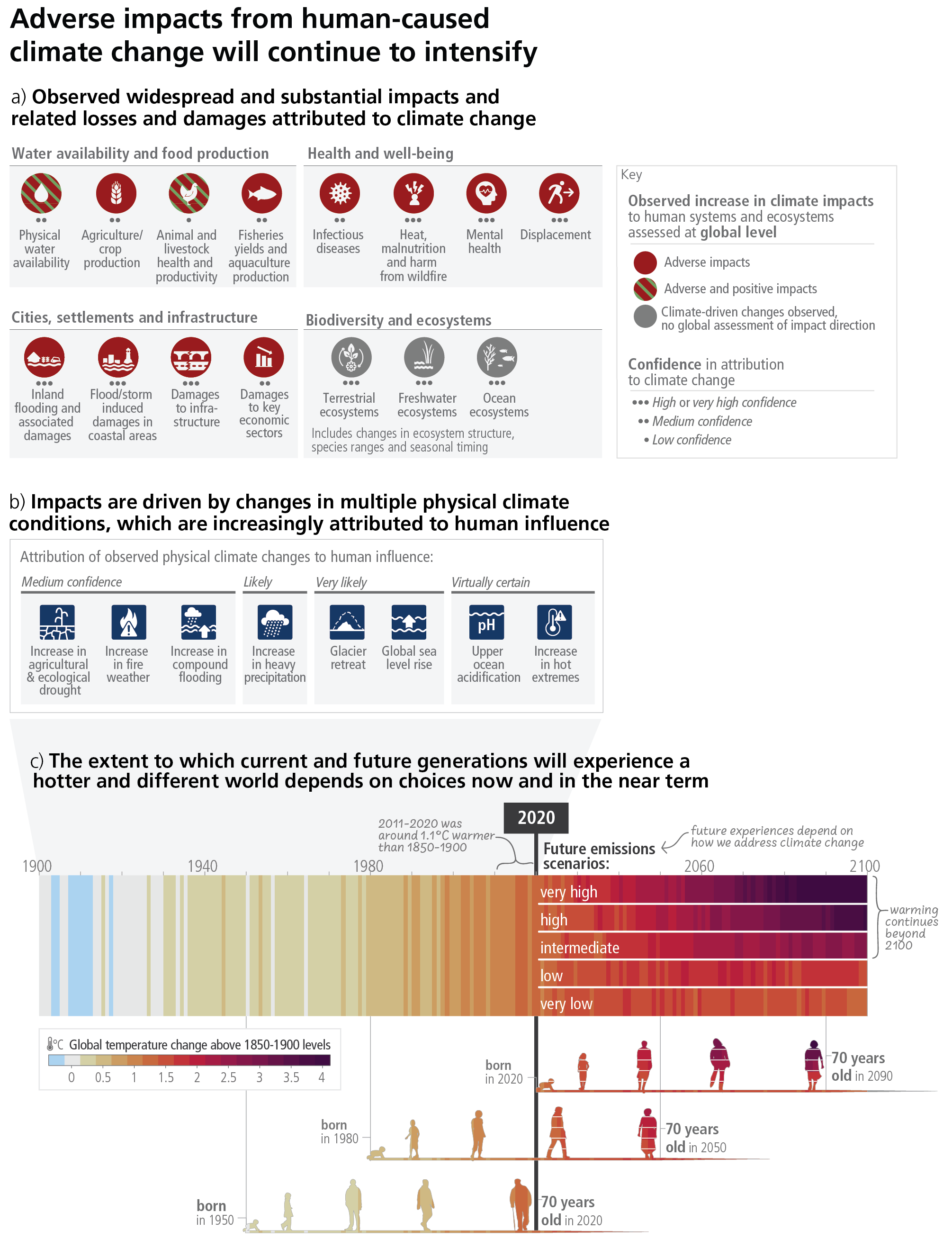
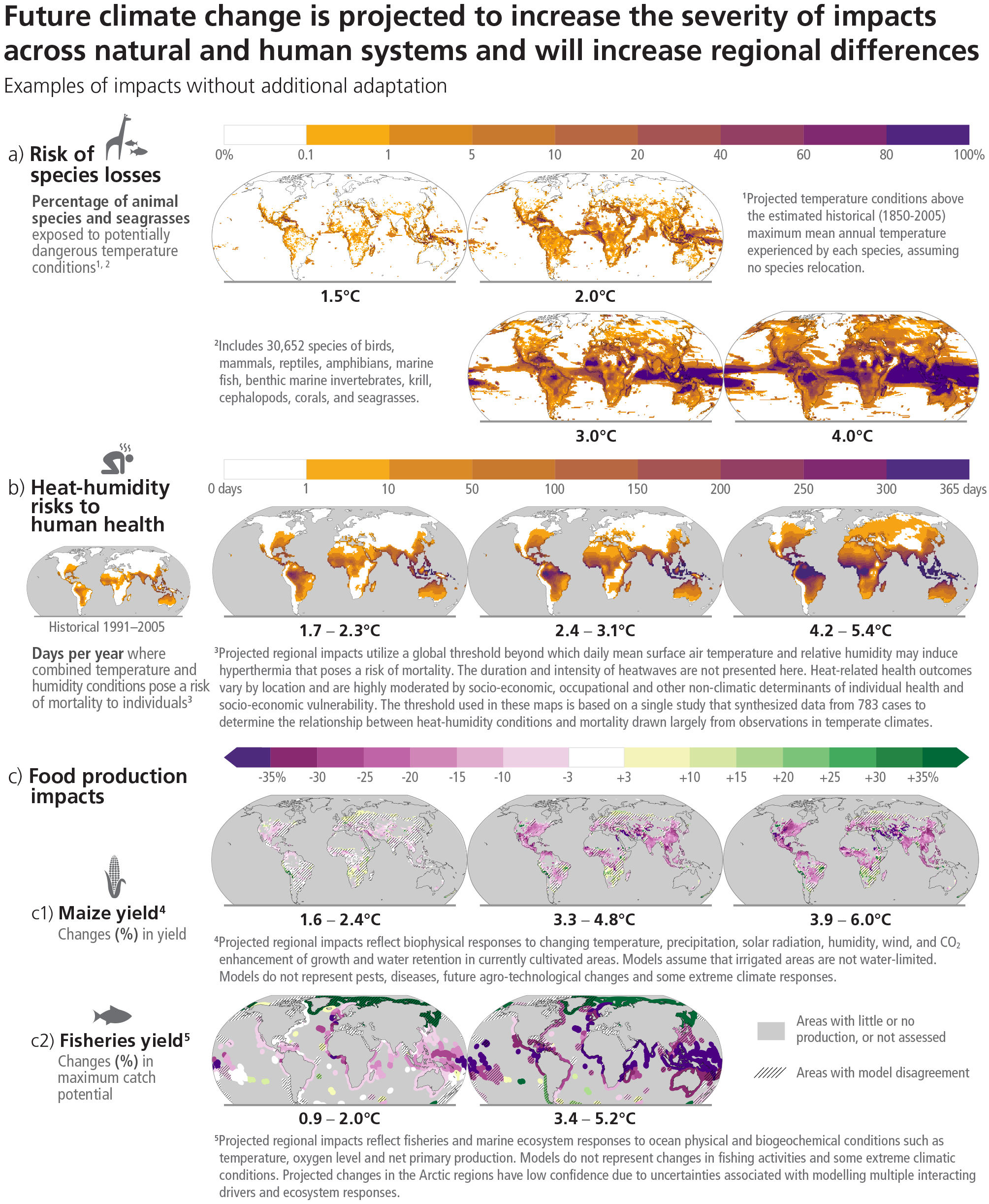
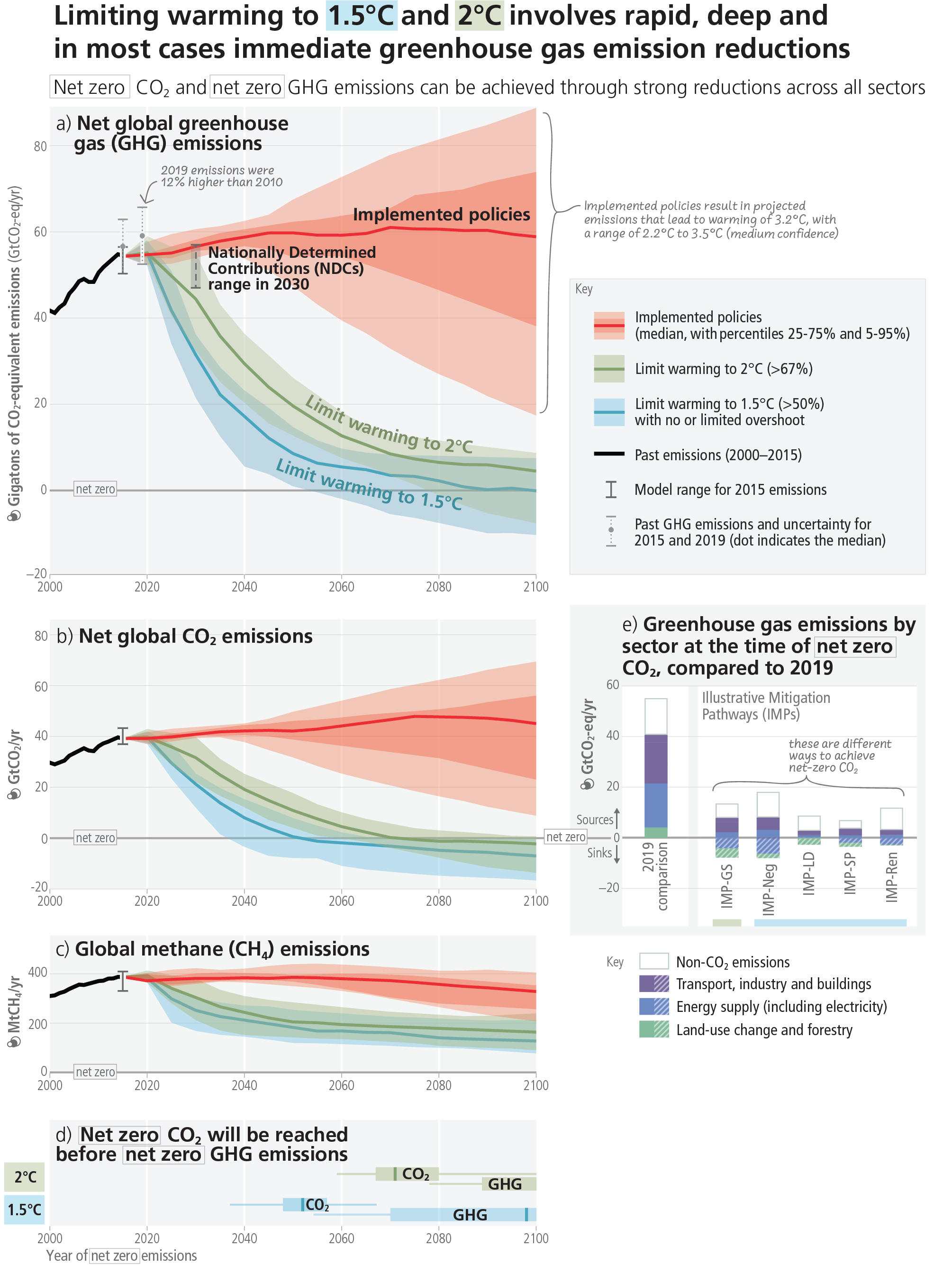
anti-climate science propaganda techniques

This article in BBC is about propaganda used by the fossil fuel industry in the 1990s to convince the public to doubt the emerging consensus among climate scientists. Basically, the technique was to find the tiny minority of legitimate scientists with dissenting views, and then heavily publicize those views. Reporters like dissenting views because they are interesting, and when they are being bombarded from all sides by an extremely well-funded campaign, they will tend to present those views as having equal weight to the overwhelming majority view. So the public is not exactly hearing pure lies (although there are certainly some of those, such as statements that there was “no evidence” of human contributions to global warming), but 50% of what they are hearing represents the consensus of 99% of scientists and 50% represents the views of the dissenting 1%.

This is difficult to counter, because scientists are trained to communicate the uncertainty of their work. Corporations behave amorally to maximize their profits, which is interesting because they are comprised of people who generally have some moral scruples. People will behave to maximize their own interests to some extent, but I don’t believe that is the only factor. They will also rationalize their behavior, or they will often lack information about the contribution of their individual role to the bigger picture, which may be an amoral or immoral result.

There are a couple good quotes from Al Gore in the article, including saying climate science propaganda is a crime on the level of World War II war crimes. I would agree with this – the companies that did (and are certainly doing) things like this chose to put the lives and livelihoods of billions of future humans at risk for the sake of maximizing their own wealth in the short term.